Understanding How Your Data is Collected
Preventing Identify Theft and Data Breaches
What is Data Tracking?
Data tracking is revolutionizing the way we interact with the internet. A popular saying “data is the new
oil” sheds light on the importance of personal data to modern computing and the digital economy. Data tracking
refers to the trail of information one leaves when visiting a website. It’s used to improve user experience
and provide personalized services, often at the expense of user privacy and questionable ethics. Each click
and visit to a website on the Internet imprints a digital footprint and lives in cyberspace forever.
“69% of consumers express concern about how their personal data is collected.”
Consumers have become increasingly aware of the need for personal privacy protection as 4,395 data breaches occurred between 2017 and 2019, exposing over 832 million records.
- The Brookings Institution’s Artificial Intelligence and Emerging Technology (AIET)
Why is Data Tracking an Important Issue?
Technology allows companies to collect an excessive amount of personal information about their consumers, especially when they’re not entitled to their data. People should be able to exercise individual autonomy, control their personal information and determine boundaries for how they would like their data to be collected.

What are Cookies?
Data Trackers on the Internet

Cookies are small files of data that track and save information about user interactions and behaviours on your computer. Any online activities such as the time spent on a website, online store purchases, pages visited and search history are saved in a cookie. Online stores like Amazon and eBay keep a record of user purchases and product preferences and Google tracks and collects data about browsing behavior, location history, searches, and more for marketing purposes. This is why people don’t need to login after returning to a website because their information has already been saved. Cookies allow websites to monitor and remember you to enhance the user experience, but this process can be intrusive and unfavourable. Third parties may gain unauthorized access to your personal information to target you with unsolicited advertisements or even fraud.
People are not aware of how closely websites monitor them and the implications of this explicit invasion of privacy.
Real World Example
The Number One Tracking Network
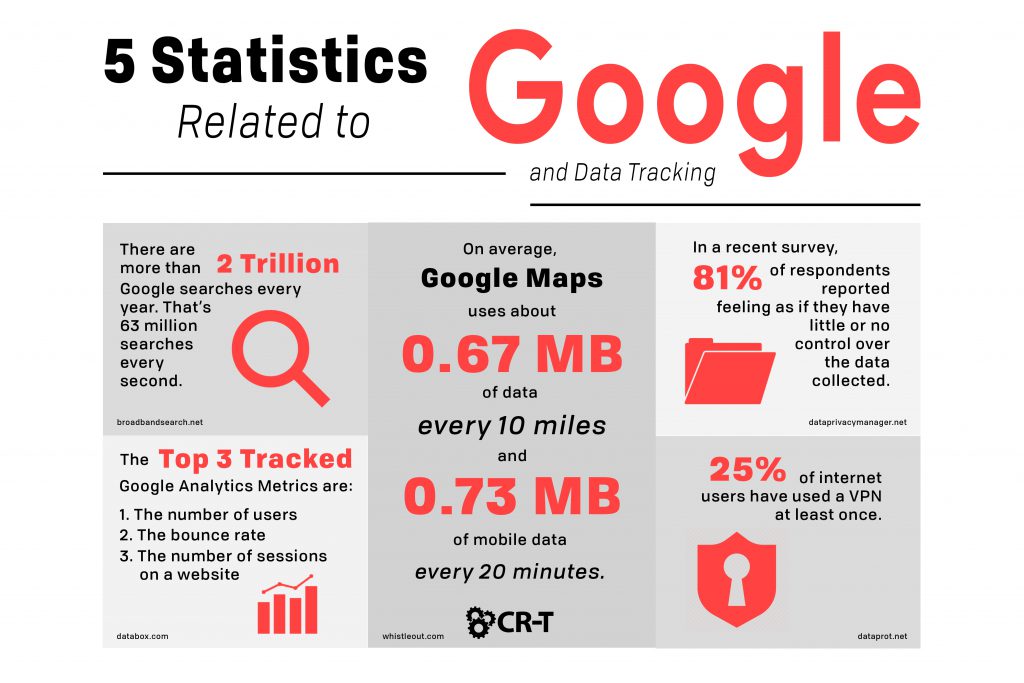
"Google tracks website visitors on 86% of the top 50,000 websites on the planet."
62% of mobile browsers, 69% of desktop browsers and 71% of mobile devices are controlled by
Google. Google uses a method of monetization that involves building individual profiles based on demographics and
preferences and bidding them to advertisers in real-time bidding. Intrusive profiling shares sensitive user data
such as IP addresses, age, web browser cookies, and device IDs with third parties, treating users as products and
putting them at risk of exploitation, identity theft and malicious data breaches due to potential security
vulnerabilities in online databases.
"If you're not paying for the product, then you're the product."
Consequences: Data Breaches
Web trackers can be difficult to detect and can have devastating consequences for people’s safety, reputation, well-being and privacy and society’s overall functioning and economy. User data and cookies can be mishandled to expose confidential, sensitive and valuable personal information to unauthorized attackers, compromising digital security and privacy. Data tracking and collection have consequences beyond infringement on user privacy. Data breaches have detrimental economic consequences for both individuals and society as the average cost of a data breach is $6.94 million in Canada.
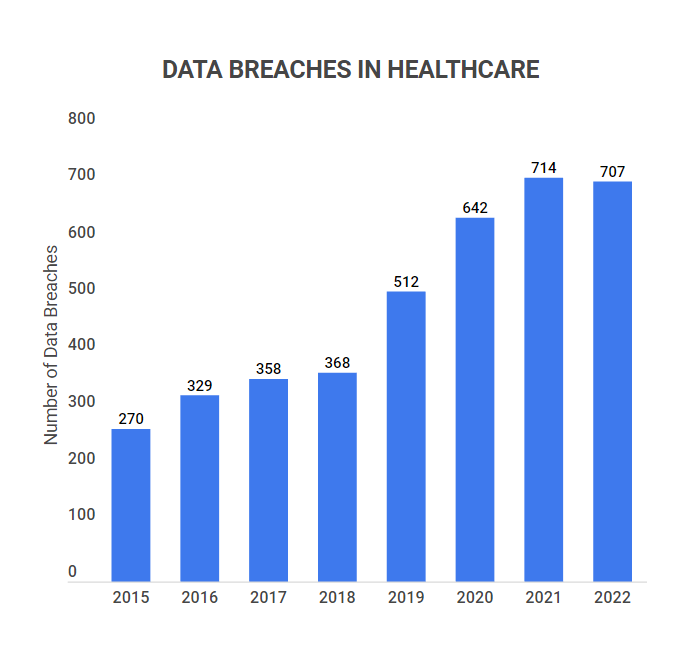
"Data breaches in the healthcare industry alone cost $10.93 million US in 2023."
Data Breach Targets
Identifiable Information
This includes social security numbers, contact information, birth dates, education and email addresses.
Financial Information
Data breaches expose credit card numbers, bank accounts, investment details and lead to financial loss.
Health information
Sensitive information such as health conditions and plans, prescription drugs, medical records.
TIPS TO PREVENT DATA TRACKING
- Clear browser history, caches, browser data and block third-party cookies
- Don’t accept free cookies on websites
- Consider using incognito mode (helps keep browsing activity private and prevent tracking)
- Read privacy policies and terms and conditions before you accept them
- Disable Location Tracking, YouTube History and Web & App Activity on your Google account
- Change your search engine
- DuckDuckGo, Search Encrypt, StartPage and others don’t track your online activity and information