arrow_upward


“About 80% of all Internet users have their system affected by spyware, and 89% of users were unaware of them.”


- MalwareBytes.com


The Problem

Identifying the concerns surrounding Electronic Surveillance and Spyware

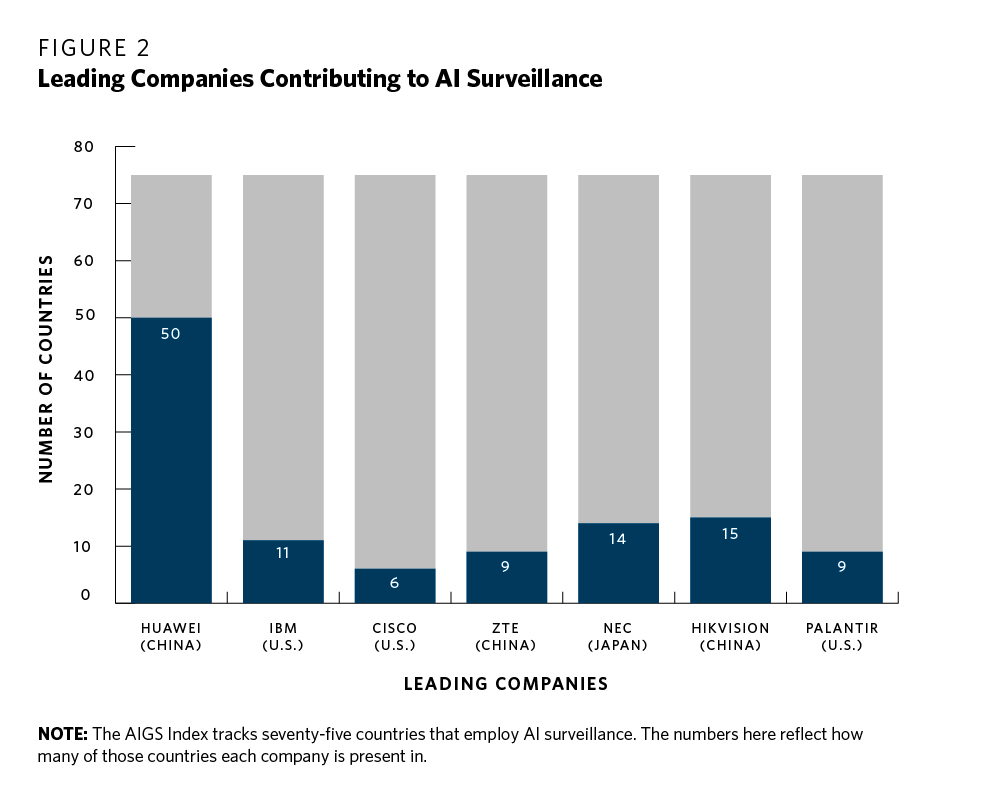
More and more online attackers and countries are adopting AI surveillance technology and spyware to track people. This increasing popularity in surveillance exacerbates existing concerns about privacy and personal autonomy.
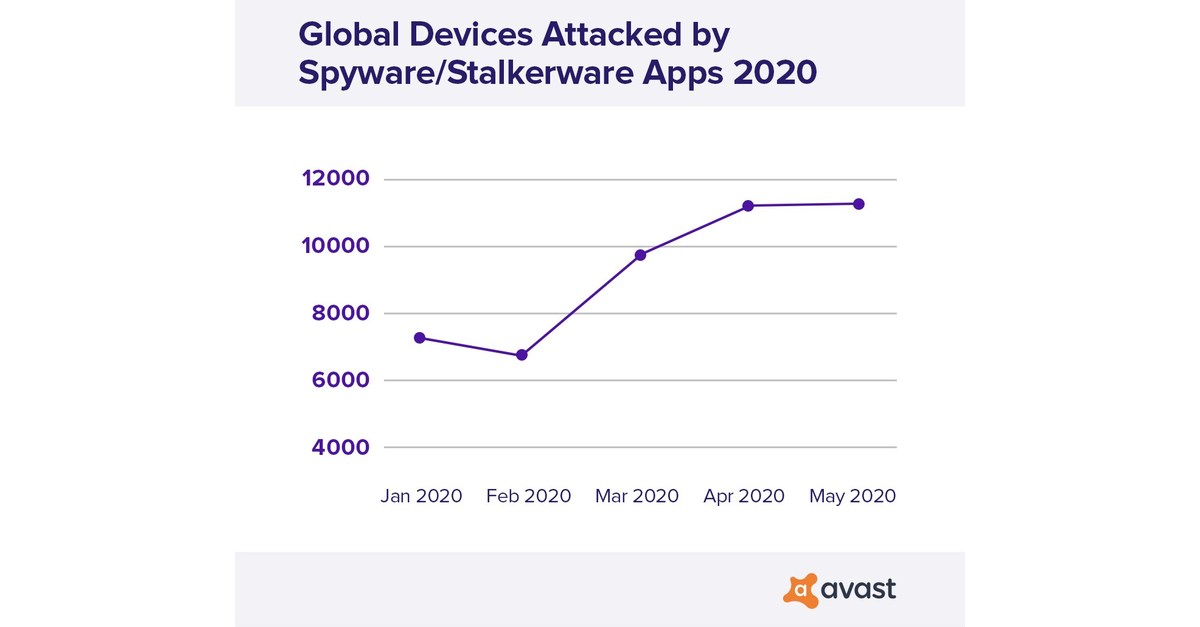

Spyware Statistics

Definition of Spyware

Spyware is a type of malware that can monitor computer usage, and this can lead to catastrophic consequences for people.


The Implications of this Problem

People affected by Pegasus Software
Many have been negatively affected by Surveillance Software.

Mass surveillance is now more accessible, efficient, convenient and cheaper than ever. According to a United Nations report, digital technologies can effectively be used for mass surveillance, spyware, control and oppression. Surveillance and spyware tools such as the “Pegasus” software, developed by the Israeli company NSO Group, can be remotely installed on mobile phones to eavesdrop, harvest data and secretly spy and track politicians, citizens, government officials and human rights activists. The spyware can covertly monitor calls, text messages, locations and passwords without the knowledge of the device owner.

While this intrusion may be justified in fighting crime, the software frequently targets innocent individuals who have little involvement with crime. This clear invasion of privacy demonstrates the many ways in which technology can be misused for unethical and unreasonable ways to access and monitor people’s personal lives without consent.

More information about the software can be found below.


Surveillance tools offer governments and corporations with unimaginable power and authority over individual privacy and autonomy. Mass surveillance interferes with people’s right to privacy and expression, which can undermine democracy within society.


When will this STOP?


A clear line must be drawn at which it's acceptable and legitimate to invade personal privacy.


Electronic Surveillance

Understanding the Practices in Workplace Surveillance Technology


Individuals entering the workforce can expect to be surveilled. Corporations are utilizing surveillance and sensor technology to monitor workers in an attempt to ensure productivity and efficiency, which raises concerns about the invasion of privacy and mistrust between employers and employees at work. Electronic surveillance and monitoring can lead to negative mental health and psychological effects, particularly in corporate workplaces. 56% of workers who are monitored by their employer experience tension or stress at work. Surveillance tools like GPS tracking, recording conversations, email and app monitoring can result in decreased employee morale, feelings of distrust, lack of transparency and privacy, and loss of integrity and autonomy for workers. In fact, studies show that electronic monitoring has no positive benefits and contributes to a damaged workplace and counterproductive behaviour (i.e. employees are more likely to cheat, work slower and slack off), and therefore, the costs outweigh any potential benefits.


Real World Examples

Analyzing the Ramifications through an Economic Lens

H&M

H&M

H&M collected sensitive data unrelated to employee performance such as their employees' religion, medical status and family relationships. This data was collected without their knowledge and was used to discriminate against employees for no valid professional reason.

Ikea

Ikea

Ikea illegally developed a spying system to monitor their employees and collect data that was used to punish and fire them. They hired investigators to track employees outside of the workplace and used covert video surveillance.

Humanyze

Humanyze

Humanyze creates corporate ID badges with RFID sensors that use radio frequency identification, accelerometer, microphones and Bluetooth to gather audio information and track the movement and location of employees.

Amazon

Amazon

Amazon patented an ultrasonic bracelet that detects the location and interactions of a warehouse worker through ultrasonic sound pulses. This technology is highly invasive and and is a clear violation of privacy. rights.


Why Does this Matter?

As technology becomes increasingly intrusive, workers are victims of inappropriate and invasive surveillance technology. Workplace surveillance, if necessary, should be done with transparency, ethics and consent for a more productive and efficient workforce, but these cases demonstrate illegitimate tracking and monitoring done without consent outside working hours.

Limited consent and excessive monitoring and data collection without justified reason violate personal privacy and contribute to a dystopian workforce where workers no longer feel safe. Technology has the potential to revolutionize the workforce for the better and ensure workers can feel safe and exercise personal autonomy. It’s time that digital surveillance tools and other technology are employed such that personal privacy is not compromised.

Electronic Surveillance

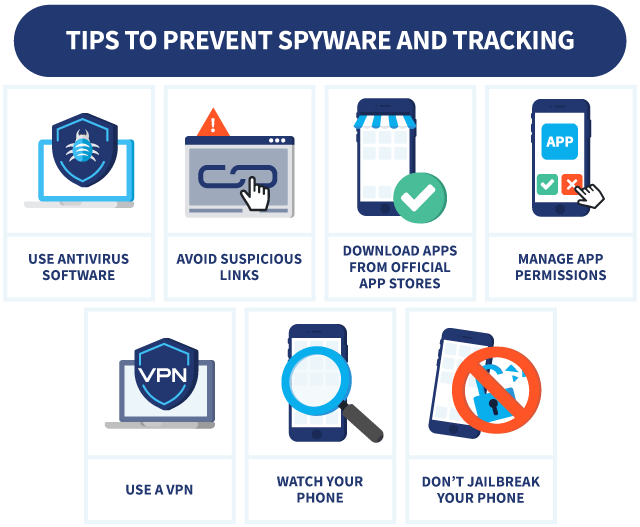
TIPS TO COMBAT SPYWARE AND SURVEILLANCE


  • Regularly reboot to clean your device
  • Disable iMessage and Facetime as they are easily exploited.
  • Keep your mobile updated and install the latest patches
  • Don't click on any links in text messages
  • Use an alternate browser instead of default Chrome
  • Use a VPN, end-to-end encrypted messaging and HTTPS websites
  • Place tape over your device's camera to prevent spying
Spyware Tips


Please note that employees may have little control over how their employers choose to monitor them. This website aims to provide feasible solutions and resources to help with privacy concerns about surveillance.

Contact the organizations below for guidance if you feel that your privacy is being wrongfully invaded with the use of these technologies.